Grero di Todi: the secret Soul of Umbria
From Pliny's "Tudernis"
to the Mother Plant

From Pliny's "Tudernis" to the Mother Plant

Rebirth of a lost vine

2. “Historical” research methodology
We didn't stop at observation. We approached the restoration with the rigor of archaeology and the passion of memory. We listened to the whispered stories of the village elders and, like a treasure hunt, we consulted the ancient maps of the Military Institute. By superimposing the past onto the present, we discovered that where today dense forests stand, seventy years ago vineyards flourished. We went in search of those lost traces.
3. Science confirms the legend
Intuition wasn't enough; irrefutable proof was needed. Cantina Zazzera promoted the scientific study, involving the University of Perugia and the CNR (National Research Council). Complex DNA analyses yielded the desired conclusion: absolute genetic uniqueness. That plant wasn't a clone of other known varieties; it was a one-of-a-kind survivor.
5. Production and Aging
Since our first experimental bottle in 2011, the work has never stopped. Today, we are the custodians of this rediscovery, studying year after year its extraordinary aging potential, made possible by a record concentration of malvidin. Cantina Zazzera was not only the discoverer, but the driving force that transformed a "little hidden treasure" of the farmers into an Italian winemaking excellence.
4. A new name for an old soul
With official recognition, an identity was needed. The historic name, "Grechetto Rosso," was already in use in Tuscia. To resolve the homonymy and give commercial strength to this rebirth, we helped coin a new, strong, and distinctive name: Grero (a fusion of the roots of Gre-chetto and Ne-ro or Ro-sso).
1. The treasure in plain sight
It all begins with a glimpse that challenges normality. Fabiano Zazzera was the first to notice, during some ordinary roadwork at a roundabout, two unusual-looking grapevines. They weren't like the others. That spark of curiosity soon became certainty, in a woman's private garden in Todi. There, Fabiano found himself faced with a monumental, lush, ungrafted vine that had survived decades of changes. We had found the "mother plant."
1. The treasure in plain sight
It all begins with a glimpse that challenges normality. Fabiano Zazzera was the first to notice, during some ordinary roadwork at a roundabout, two unusual-looking grapevines. They weren't like the others. That spark of curiosity soon became certainty, in a woman's private garden in Todi. There, Fabiano found himself faced with a monumental, lush, ungrafted vine that had survived decades of changes. We had found the "mother plant."
2 “Historical” research methodology
We didn't stop at observation. We approached the restoration with the rigor of archaeology and the passion of memory. We listened to the whispered stories of the village elders and, like a treasure hunt, we consulted the ancient maps of the Military Institute. By superimposing the past onto the present, we discovered that where today dense forests stand, seventy years ago vineyards flourished. We went in search of those lost traces.
3. Science confirms the legend
Intuition wasn't enough; irrefutable proof was needed. Cantina Zazzera promoted the scientific study, involving the University of Perugia and the CNR (National Research Council). Complex DNA analyses yielded the desired conclusion: absolute genetic uniqueness. That plant wasn't a clone of other known varieties; it was a one-of-a-kind survivor.
4. A new name for an ancient soul
With official recognition, an identity was needed. The historic name, "Grechetto Rosso," was already in use in Tuscia. To resolve the homonymy and give commercial strength to this rebirth, we helped coin a new, strong, and distinctive name: Grero (a fusion of the roots of Gre-chetto and Ne-ro or Ro-sso).
5. Production and Aging
Since our first experimental bottle in 2011, the work has never stopped. Today, we are the custodians of this rediscovery, studying year after year its extraordinary aging potential, made possible by a record concentration of malvidin. Cantina Zazzera was not only the discoverer, but the driving force that transformed a "little hidden treasure" of the farmers into an Italian winemaking excellence.
SCIENTIFIC RESEARCH
Academic Validation
The University of Perugia and the scientific rigor behind Grero's recognition.


The vine of longevity
The value of limited yield
The noble resistance of Grero.
The privilege of rarity


OUR CRU WINE

Visual analysis
It has a very dense red color. Its characteristic features are the marked purple reflections, typical of this grape variety, even after many years of aging.

Olfactory analysis
On the nose, in addition to notes of red and black fruit, there is an elegant varietal note of black pepper and spices. This is a testament to the extraordinary genetic makeup of this grape variety.

Taste analysis
On the palate, the wine is structured, full-bodied, yet extremely elegant. A never-overly high alcohol content balances the acidity, which makes the taste fresh, as well as the very velvety tannins.


Numbered bottles
The yield of these grapes is unpredictable. It was abandoned in the past due to its low production. For this reason , the number of bottles is very limited and each of our labels is numbered.

Varietal markers
TESTO DA SCRIVERE

Typicality of the vine
TESTO DA SCRIVERE
BUY THE GRERO

Grero - 2020
Other Collections
Just as Inferno, Purgatorio and Paradiso have told of the passions, vices and virtues of men, so we want to tell of the different souls of wine.


Other products
Discover the other wines from our collections
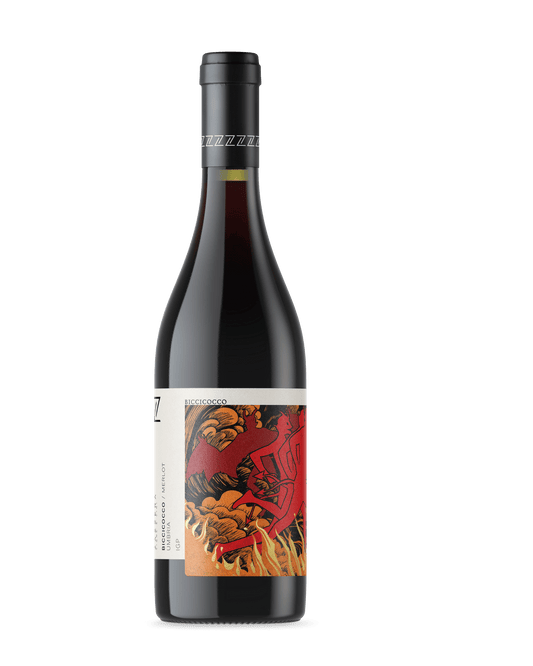
Biccicocco - 2020
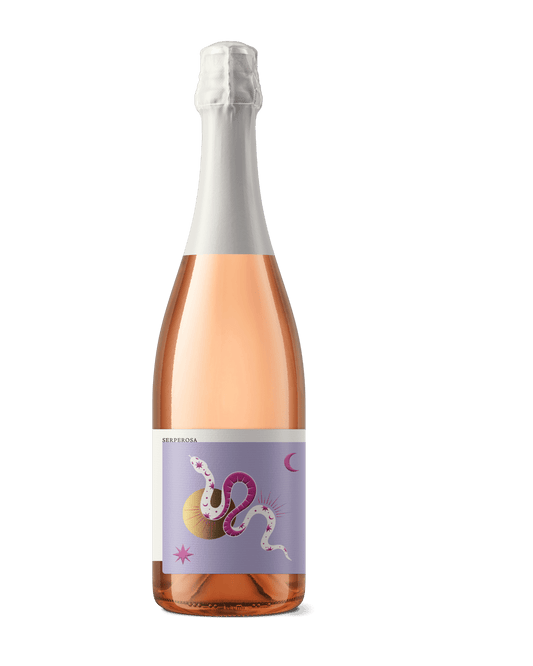
Serperosa - Sparkling rosé
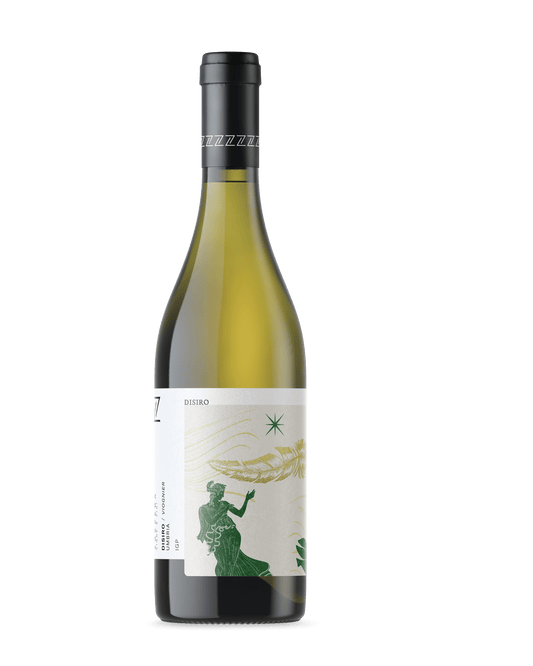
I desire
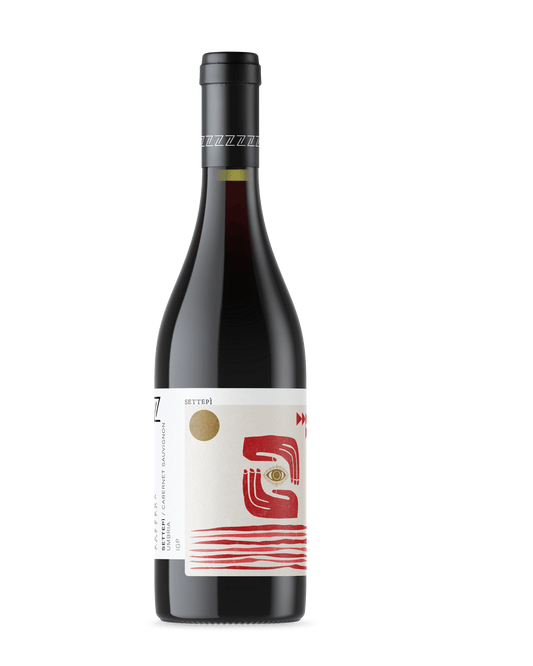
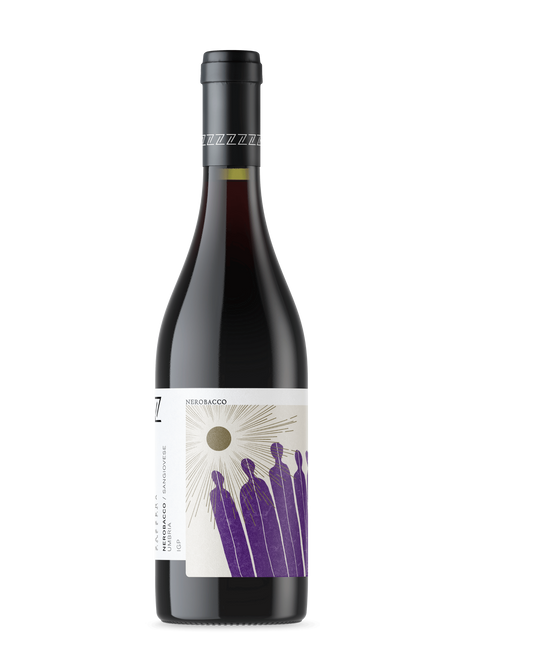
Black Cherry
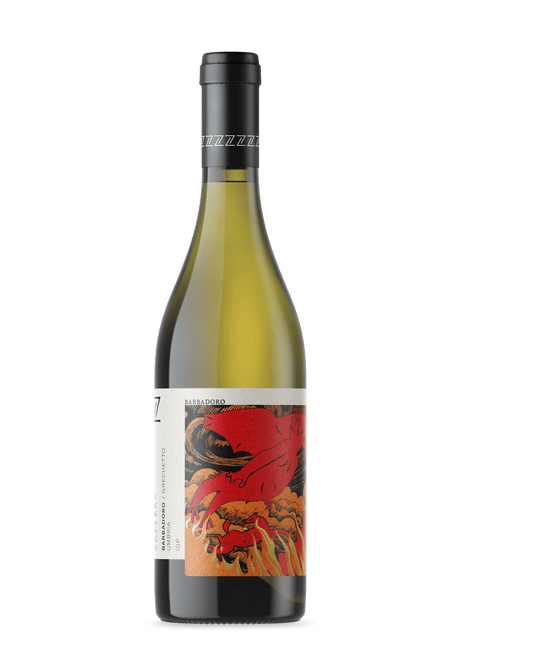
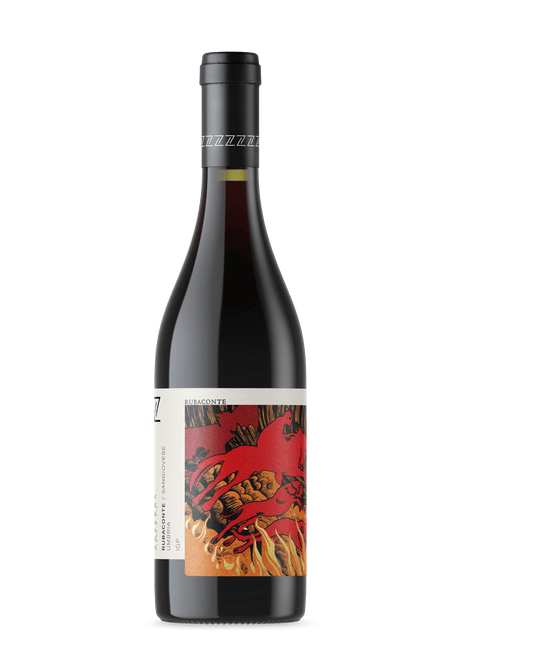
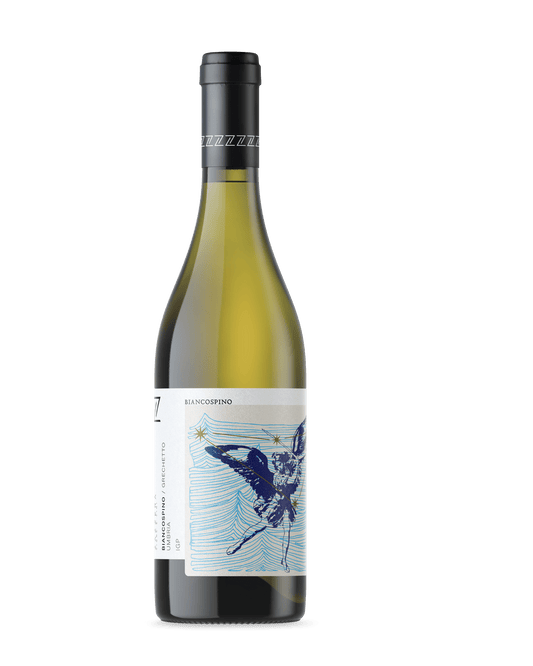
Hawthorn
Biccicocco - 2018
Sign up for the Newsletter
15% off your first purchase!
Fill out the form below to subscribe to our newsletter and receive exclusive discounts and offers!
